
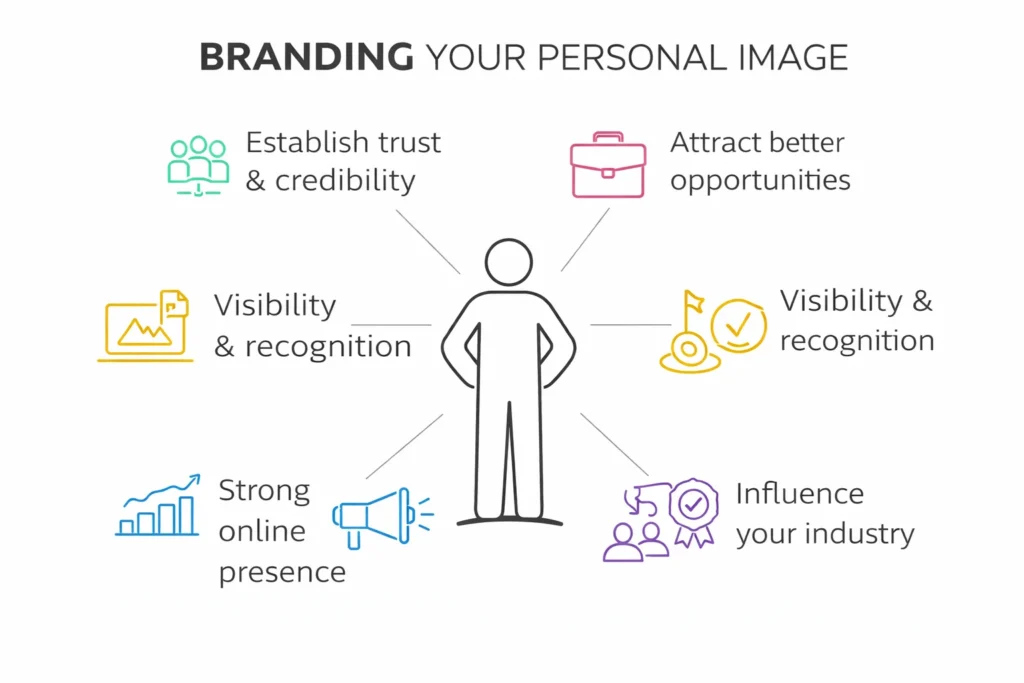
Each time I conduct soft skills trainings, I learn a lot from the various participants that come to attend. They all carry different types of personal brands, and in fact, I usually feel like I am the one who learns from them, and I walk away with greater understanding! We all encounter different experiences in life that are molded out of our culture, traditions, and religious beliefs. All these are packaged in one person who is thrown in a pool of other persons who are also different, and we are all expected to co-exist and follow the same ethical game of business. It does not matter whether you are a Fortune 100 entrepreneur or someone who is starting from scratch with a few pennies in your pocket. We all have to learn to co-exist and play the game by the same rules, using our personal brand.
The key to your survival in the game of business and maintaining your personal brand is to ensure that you know, understand, and embrace your true self. We all wear many hats, and we try to be our best “me” in all that we do. There is the thrill of keeping a balance of life—home, work, friends, and maybe even a devout spiritual life—and some people find it hard to be the same person in all the different scenarios. The key to one’s success in keeping this balance is to fall in love with our own personal brand. Before you can fall in love with your own brand, you need to know what that brand is. Discover and define your own brand and seamlessly weave it throughout your different roles that you play in life. When you are yourself, you flow through life with the kind of confidence that will give you the courage to look at challenges straight in the eye and overcome them without hesitation.
Branding your personal image is a phenomenal experience that has existed since the beginning of mankind. Everyone wants to be associated or affiliated with something, but someone has to start that original brand. Adam and Eve were created by God in His own image. They were His brand. British explorers discovered new land and chose to colonize the countries and stake their claim on “colonial countries,” which were their own brand. Colonized countries got their independence and established their own independence that proudly carried its own flag representing its freedom and personal brand.
To bring the branding phenomenal closer to home, think of your own personality. Are you assertive or shy? Do you like challenges, or do you like to tread carefully before jumping the gun? What kind of company do you like to keep? Are you an extrovert or an introvert? Are you a team player, or do you work best in isolation? Once you know and are comfortable of who you are, you can easily become a trendsetter of your own personal brand. You are an original brand that makes up the characteristics of your own personal environment. Once you are not afraid to express your personal brand, you have the power to influence your surroundings. This is how leaders and major influencers are born. They choose their company wisely. They choose to be around those people that don’t only make them feel free to be themselves (like-minded people) but also help define and grow their character. They also choose their partners wisely, partners that can complement them and help build their personal brand too. Furthermore, they like to keep people who are not like-minded at an arm’s length, ensuring that their character and brand are not tarnished. They are consistent in their dealings, a trait that well-defines their unforgettable reputation.
Once a person is confident of who they are on the inside, then the next thing to do is finish the package off with defining their physical brand. It is unfortunate that the world chooses to judge people upon first impressions, but that is the nature of man. Before anyone even speaks, people are already judged by their appearance. Fortunately, the definition of colour and style can help you gain the confidence of people on your first impression. People in the advertising industry have mastered the psychological effects of the definition of colour. If you have noticed, fast food places have a tendency of using bright vibrant colours like red, orange, or yellow. These colours trigger hunger and entice people. Red is a very popular colour that is subliminally used to increase the heart rates of people—I highly recommend you do not wear red as a main colour to a job interview or a major deal-breaking meeting. You never know what kind of mood the other party might be in. If they have shown up to the meeting already in a bad mood, chances are, they will take it out on you.
The other colours that one needs to take into consideration are the cool and collective colors like blue, grey, white, or green. These colours reflect confidence and trust. Think about the colours of the majority of the banks use. Blue, white, and green seem to be prominent. This is because they want you to develop a trust and confidence in them securing your money with them.
Gray and black are great colours for you to wear to interviews or major deal-breaking meetings. They are not distracting, and they allow the audience to give you and what you say the undivided attention you need.
Some of you may be thinking of rebranding yourselves. Do not drift too far off from what you are comfortable with. Chances are, you will end up hating the brand more and more each time you see it. Before you know it, you are rebranding again. Be yourself. Be confident in believing that you are the best brand that is out there. There is no one else like you out there, and the world needs something fresh and exciting to enhance its personal brand.