
By Regina Matengo
“With 90 countries in lockdown, 4 billion people are now sheltering at home from the global contagion COVID-19. It is a protective measure, but it brings another deadly danger. We see a shadow pandemic growing of violence against women.”
Phumzile Mlambo-Ngcuka, Executive Director of UN Women.
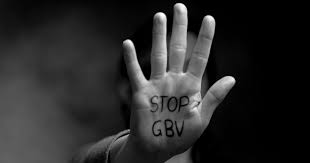
We are living in uncertain times and do not know for how long the COVID-19 pandemic will be devastating our beloved homes. The pandemic has worsened the problems that Africa has already been experiencing, like poor healthcare and inadequate medical supplies, lack of access to clean water, poor working conditions, and increased GBV cases.
In Malawi, intimate partner violence is the most prevalent type of GBV, and measures to prevent the spread of COVID-19, like lockdown, mean locking down women with abusive partners with limited support networks. Children are also at a very high risk of increased violence, exploitation, and neglect. Adolescent girls especially become more vulnerable as they end up taking high-risk work for survival and may be exploited by service providers. The pandemic has diverted attention from other essential routine services like maternal and sexual and reproductive health services, which is likely to lead to other problems like increased unwanted pregnancies, maternal and neonatal deaths, and backyard abortions. Economic stress on families due to restrictions during the pandemic leads to men’s alcohol abuse and crowded living conditions and puts women and children at risk of emotional and physical abuse and child labor, and girls with disabilities are much more at a greater risk of all forms of abuse.
What can communities do?
Support community social networks and support groups’ efforts to respond to GBV and offer solidarity support to fellow women. Access to formal psycho-social and mental health services is affected, just like other services and communities can be a source of good alternative support in distressing times
Communities can utilize the community victim support units or make safe houses to support each other during the crisis. Survivors of violence can be hosted by their fellow community members until their houses are safe to return to.
Village savings groups can ease small businesses from collapsing by giving out loans to their members to sustain their small-scale businesses during the crisis at reduced interest rates. This eases the economic stress on women and ultimately sustains their families during the crisis and increases their financial independence
All preparedness and response plans at community and national levels should be accessible to all persons with disabilities, including women with disabilities
If a woman confides in you about a GBV experience, believe her, offer a listening ear, and report the violence to authorities (community police/community leaders/police) with consent from the victim.
In case of rape or defilement, assist the survivor to the nearest hospital within 3 days (72 hours) to prevent pregnancy and sexually transmitted infections, like HIV.
We stand at the brink of this pandemic, and it is of utmost importance to revisit these shared fundamental values of the lives of women. This demands society to participate, from the government to the grassroots, as Nyaradzai Gumbonzvanda has rightly put it, ‘This pandemic itself demands no less, because no one is safe until everyone is safe.’